What you eat directly shapes how well your immune system functions. Every immune cell, antibody, and signaling molecule your body produces relies on a steady supply of specific nutrients — vitamin C, zinc, selenium, omega-3 fatty acids, and dozens of antioxidants that protect those cells from damage. When your diet consistently delivers these nutrients, your immune defenses stay strong. When it doesn't, gaps appear.
The good news is that immune-boosting recipes don't have to be complicated, expensive, or time-consuming. The 15 recipes in this collection were designed to be practical: most take 30 minutes or less, use common grocery store ingredients, and taste good enough that your whole family will eat them without complaint. They cover every meal of the day — breakfasts, lunches, dinners, snacks, and beverages — so you can build immune-supporting nutrition into your routine without overhauling your entire diet.
Research consistently shows that nutrient-dense whole foods outperform isolated supplements for long-term immune health. A single bell pepper delivers more vitamin C than most supplements. Two Brazil nuts provide a full day's selenium. A bowl of chicken soup offers protein, zinc, vitamin A, and anti-inflammatory compounds all working together. Food synergies matter — vitamin C enhances iron absorption, healthy fats boost vitamin A and D uptake, and black pepper increases turmeric's bioavailability by 2,000%.
Whether you're preparing for cold and flu season, recovering from illness, or simply want to give your immune system a daily advantage, these recipes will help you eat your way to stronger immunity.
If you're looking to deepen your immune nutrition knowledge, explore our guides on immune-boosting foods, vitamin C for immune health, zinc for immune support, and the gut health and immunity connection.
How Do You Make a Citrus Sunshine Smoothie Bowl?
This vibrant smoothie bowl delivers over 200% of your daily vitamin C from citrus and mango, combined with gut-supporting probiotics from Greek yogurt. It takes just 5 minutes to prepare and provides a refreshing, immune-boosting start to your morning that even kids love.
Prep Time: 5 min | Cook Time: 0 min | Total Time: 5 min | Servings: 2
Key Immune Nutrients: Vitamin C (200% DV), probiotics, antioxidants, fiber
Ingredients
- 1 cup fresh orange juice
- 1 cup frozen mango chunks
- 1 cup plain Greek yogurt
- 1 tbsp honey
- 1/2 cup mixed berries (topping)
- 1/4 cup granola (topping)
- 1 tbsp chia seeds (topping)
Instructions
- Blend orange juice, frozen mango, Greek yogurt, and honey until thick and smooth
- Pour into two bowls
- Top with mixed berries, granola, and chia seeds
- Serve immediately for the best texture
Nutrition Info (Per Serving)
~240 calories | 13g protein | 40g carbs | 4g fat | 5g fiber
Key Immune Micros: Vitamin C 120mg (200% DV)
Why does this recipe support immunity? Vitamin C from citrus and mango fuels immune cell production and acts as a potent antioxidant. Live probiotics from Greek yogurt support gut health, where roughly 70% of immune activity occurs.
Tips: Use frozen fruit for a thicker texture. Add a handful of spinach for extra nutrients without affecting the taste. Prep toppings the night before for faster assembly.

How Do You Make an Immune-Boosting Veggie Omelet?
This nutrient-packed omelet combines protein-rich eggs with vitamin A from spinach, vitamin C from bell peppers, and selenium from mushrooms. It takes just 15 minutes and delivers a powerhouse of immune-supporting nutrients to start your day with sustained energy.
Prep Time: 5 min | Cook Time: 10 min | Total Time: 15 min | Servings: 2
Key Immune Nutrients: Protein, vitamin A, vitamin C, selenium, allicin
Ingredients
- 4 large eggs
- 1/2 cup diced bell peppers (any color)
- 1 cup fresh spinach
- 1/2 cup sliced mushrooms
- 2 cloves garlic, minced
- 1 tbsp olive oil
- Salt and pepper to taste
Instructions
- Heat olive oil in a non-stick skillet over medium heat
- Sauté garlic, bell peppers, and mushrooms for 3–4 minutes until softened
- Add spinach and cook until wilted, about 1 minute
- Beat eggs with salt and pepper, pour over the vegetables
- Cook until eggs are set on the bottom, then fold in half and cook 1 more minute
Nutrition Info (Per Serving)
~215 calories | 14g protein | 6g carbs | 15g fat | 2g fiber
Key Immune Micros: Selenium 15mcg (27% DV), Vitamin A 80% DV
Why does this recipe support immunity? Eggs provide high-quality protein for building immune cells and antibodies. Spinach delivers vitamin A for mucosal barrier integrity. Mushrooms are one of the best food sources of selenium, which protects immune cells from oxidative damage. Garlic's allicin compound has natural antimicrobial properties.
Tips: Prep vegetables the night before for faster morning cooking. Add cheese if desired. Serve with whole grain toast for additional fiber.
How Do You Make Golden Turmeric Oatmeal?
Golden turmeric oatmeal infuses your morning oats with curcumin, one of nature's most potent anti-inflammatory compounds. Adding a pinch of black pepper increases curcumin absorption by up to 2,000%, while walnuts contribute anti-inflammatory omega-3 fatty acids. This warm, comforting breakfast is ready in 15 minutes.
Prep Time: 5 min | Cook Time: 10 min | Total Time: 15 min | Servings: 2
Key Immune Nutrients: Curcumin, omega-3, fiber, antioxidants
Ingredients
- 1 cup rolled oats
- 2 cups milk (dairy or plant-based)
- 1 tsp ground turmeric
- 1/2 tsp cinnamon
- 1/4 tsp ground ginger
- Pinch of black pepper
- 2 tbsp honey
- 1/4 cup walnuts, chopped
- 1/2 cup mixed berries
Instructions
- Combine oats, milk, turmeric, cinnamon, ginger, and black pepper in a saucepan
- Bring to a gentle simmer and cook 5–7 minutes, stirring occasionally
- Remove from heat and stir in honey
- Top with walnuts and berries
Nutrition Info (Per Serving)
~370 calories | 14g protein | 52g carbs | 12g fat | 7g fiber
Key Immune Micros: Curcumin from turmeric, Omega-3 from walnuts
Why does this recipe support immunity? Curcumin from turmeric is a powerful anti-inflammatory and immune modulator. The black pepper trick — even just a pinch — dramatically increases how much curcumin your body absorbs. Omega-3 from walnuts further reduces chronic inflammation that can weaken immune responses.
Tips: Make an overnight oats version by mixing ingredients cold and refrigerating. Add protein powder for extra protein. Prepare a week's worth of dry mix in jars for quick daily prep.
How Do You Make Immunity-Boosting Chicken Soup?
Chicken soup isn't just comfort food — research confirms it has genuine anti-inflammatory properties that support immune function during illness. This version maximizes immune nutrition with garlic, spinach, lemon juice, and herbs. It makes a large batch perfect for freezing portions for when you need them most.
Prep Time: 10 min | Cook Time: 30 min | Total Time: 40 min | Servings: 6
Key Immune Nutrients: Protein, zinc, vitamin A, vitamin C, allicin
Ingredients
- 1 lb chicken breast, diced
- 2 carrots, diced
- 2 celery stalks, diced
- 1 medium onion, diced
- 4 cloves garlic, minced
- 6 cups chicken broth (low-sodium)
- 2 cups fresh spinach
- 2 tbsp fresh lemon juice
- 1 tbsp fresh thyme (or 1 tsp dried)
- 2 tbsp fresh parsley, chopped
- 1 tbsp olive oil
- Salt and pepper to taste
Instructions
- Heat olive oil in a large pot over medium heat. Sauté onion, garlic, carrots, and celery for 5 minutes
- Add diced chicken and cook until no longer pink, about 5 minutes
- Pour in chicken broth and add thyme. Bring to a boil, then reduce to a simmer
- Cook for 20 minutes until vegetables are tender and chicken is cooked through
- Stir in spinach and lemon juice during the last 2 minutes
- Garnish with fresh parsley and serve
Nutrition Info (Per Serving)
~180 calories | 22g protein | 8g carbs | 5g fat | 2g fiber
Key Immune Micros: Zinc 3mg (27% DV), Vitamin A 60% DV, Vitamin C 15mg
Why does this recipe support immunity? Chicken provides protein and zinc essential for immune cell production. Carrots deliver beta-carotene (vitamin A) for mucosal barrier function. Lemon juice adds vitamin C that enhances immune response. Garlic's allicin — released when crushed and allowed to sit for 10 minutes before cooking — has antimicrobial properties.
Tips: Make a big batch and freeze in individual portions. Use rotisserie chicken for 15-minute prep. Add noodles, rice, or egg for a heartier meal.

How Do You Make a Rainbow Quinoa Power Bowl?
This colorful power bowl delivers complete plant protein from quinoa, over 200% daily vitamin C from bell peppers, and gut-supporting fiber from chickpeas. The lemon tahini dressing adds healthy fats that enhance absorption of fat-soluble vitamins. It's ideal for meal prepping and lasts well in the fridge.
Prep Time: 10 min | Cook Time: 20 min | Total Time: 30 min | Servings: 4
Key Immune Nutrients: Complete protein, vitamin C (200% DV), fiber, healthy fats
Ingredients
- 1 cup quinoa
- 1 can (15 oz) chickpeas, drained and rinsed
- 1 red bell pepper, diced
- 1 yellow bell pepper, diced
- 1 cup cherry tomatoes, halved
- 1 avocado, sliced
- 2 cups fresh spinach
- Lemon Tahini Dressing: 1/4 cup tahini, 2 tbsp lemon juice, 1 clove garlic (minced), water to thin, pinch of salt
Instructions
- Cook quinoa according to package directions and let cool slightly
- Toss chickpeas with 1 tbsp olive oil and roast at 400°F for 20 minutes until crispy
- Whisk dressing ingredients together, adding water until desired consistency
- Assemble bowls: quinoa base, topped with spinach, peppers, tomatoes, chickpeas, and avocado
- Drizzle with lemon tahini dressing
Nutrition Info (Per Serving)
~390 calories | 14g protein | 45g carbs | 18g fat | 12g fiber
Key Immune Micros: Vitamin C 180mg (200% DV), Iron 4mg (22% DV)
Why does this recipe support immunity? Quinoa provides all nine essential amino acids your immune system needs. Bell peppers contain more vitamin C per serving than oranges. Fiber from chickpeas feeds beneficial gut bacteria. Healthy fats from avocado and tahini enhance absorption of vitamins A, D, and E.
Tips: Meal prep for the entire week by storing components separately. Swap vegetables seasonally. Add grilled chicken or salmon for extra protein.
How Do You Make a Ginger-Garlic Salmon Salad?
This omega-3-rich salmon salad combines anti-inflammatory fatty acids with the antimicrobial power of garlic and the digestive benefits of ginger. Salmon is one of the best food sources of both vitamin D and selenium, making this a top-tier immune-supporting lunch that's ready in 25 minutes.

Prep Time: 10 min | Cook Time: 15 min | Total Time: 25 min | Servings: 2
Key Immune Nutrients: Omega-3, vitamin D, selenium, protein, allicin
Ingredients
- 2 salmon fillets (6 oz each)
- 1 tbsp fresh ginger, grated
- 3 cloves garlic, minced
- 2 tbsp low-sodium soy sauce
- 1 tbsp honey
- 4 cups mixed greens
- 1 cucumber, sliced
- 1/2 cup edamame (shelled)
- 1 tbsp sesame seeds
Instructions
- Marinate salmon in ginger, garlic, soy sauce, and honey for 10 minutes
- Bake at 400°F for 12–15 minutes until salmon flakes easily
- Arrange mixed greens, cucumber, and edamame on plates
- Top with salmon and sprinkle with sesame seeds
Nutrition Info (Per Serving)
~350 calories | 40g protein | 12g carbs | 16g fat | 4g fiber
Key Immune Micros: Omega-3 2g, Vitamin D 600 IU (80% DV), Selenium 45mcg (82% DV)
Why does this recipe support immunity? Omega-3 fatty acids from salmon reduce chronic inflammation that compromises immune function. Vitamin D modulates both innate and adaptive immune responses. Ginger contains gingerol compounds with anti-inflammatory and antioxidant properties.
Tips: Frozen salmon works perfectly — just thaw first. Grill instead of baking for extra flavor. Make the dressing ahead and store in the fridge.
How Do You Make an Immune-Boosting Vegetable Stir-Fry?
This vibrant stir-fry packs over 300% of your daily vitamin C from broccoli and bell peppers alone, along with antimicrobial garlic and anti-inflammatory ginger. It works equally well with chicken or tofu and comes together in just 30 minutes — faster than delivery.
Prep Time: 15 min | Cook Time: 15 min | Total Time: 30 min | Servings: 4
Key Immune Nutrients: Vitamin C (300% DV), vitamin A, protein, allicin, gingerol
Ingredients
- 1 lb chicken breast or firm tofu, cubed
- 2 cups broccoli florets
- 2 bell peppers (any color), sliced
- 2 carrots, sliced thin
- 1 cup mushrooms, sliced
- 4 cloves garlic, minced
- 1 tbsp fresh ginger, grated
- 3 tbsp low-sodium soy sauce
- 1 tbsp sesame oil
- Cooked brown rice for serving
Instructions
- Heat sesame oil in a large wok or skillet over high heat
- Cook chicken or tofu for 5 minutes until browned, then remove and set aside
- Stir-fry broccoli, peppers, carrots, and mushrooms for 5–7 minutes until crisp-tender
- Add garlic and ginger, cook 1 minute until fragrant
- Return protein to the pan, add soy sauce, and toss to combine
- Serve over brown rice
Nutrition Info (Per Serving)
~340 calories | 30g protein | 28g carbs | 10g fat | 5g fiber
Key Immune Micros: Vitamin C 270mg (300% DV), Vitamin A 80% DV
Why does this recipe support immunity? Broccoli and bell peppers together deliver a massive dose of vitamin C that supports immune cell function. Beta-carotene from carrots converts to vitamin A for barrier immunity. The garlic-ginger combination provides both antimicrobial and anti-inflammatory benefits.
Tips: Cut all vegetables the same size for even cooking. Use pre-cut stir-fry vegetable mixes for faster prep. Swap vegetables based on what's in season.
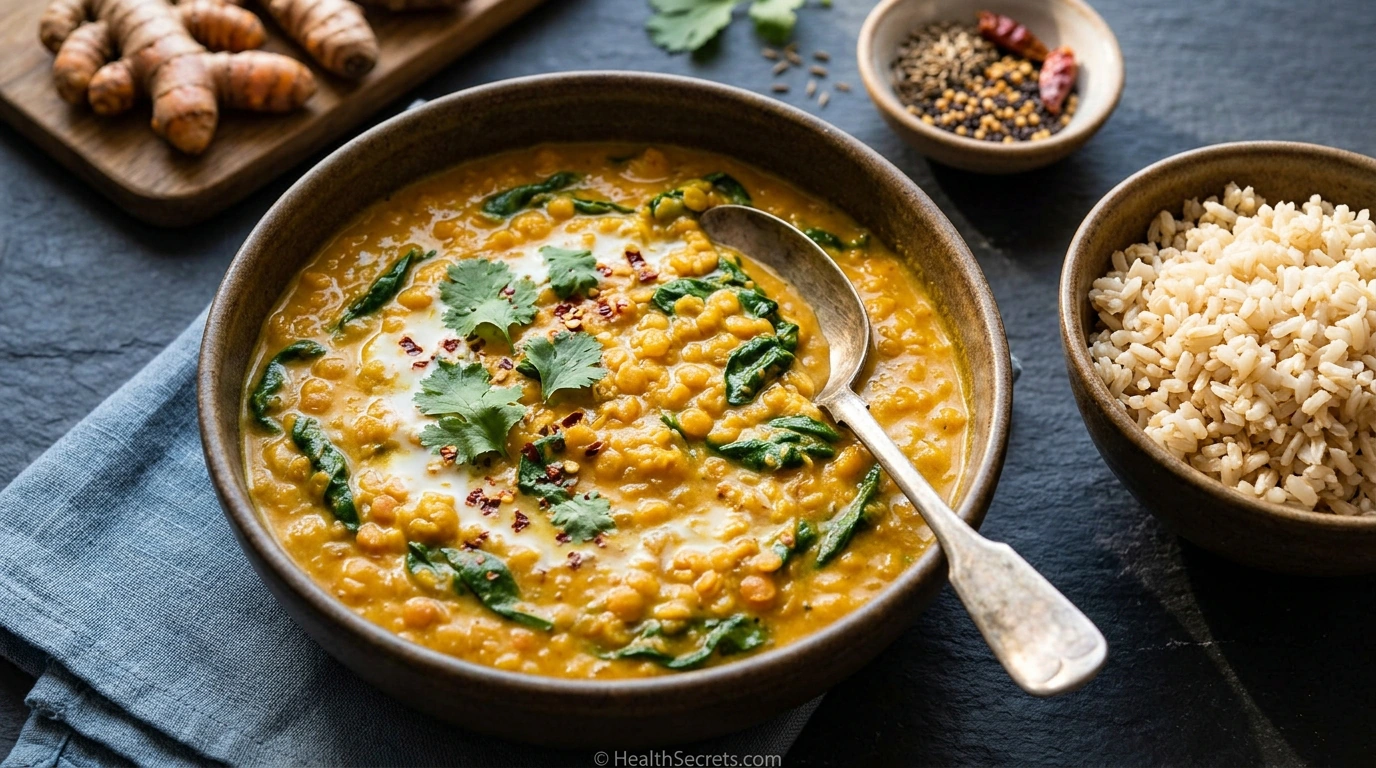
How Do You Make Turmeric Lentil Curry?
This hearty lentil curry combines the potent anti-inflammatory power of turmeric with plant protein and iron from red lentils. Coconut milk provides healthy fats that enhance curcumin absorption, while spinach adds a boost of vitamin A. It freezes beautifully, making it an ideal batch-cooking recipe.
Prep Time: 10 min | Cook Time: 30 min | Total Time: 40 min | Servings: 6
Key Immune Nutrients: Curcumin, protein, iron, fiber, vitamin A
Ingredients
- 1.5 cups red lentils, rinsed
- 1 can (14 oz) full-fat coconut milk
- 1 can (14 oz) diced tomatoes
- 1 onion, diced
- 4 cloves garlic, minced
- 1 tbsp fresh ginger, grated
- 2 tsp ground turmeric
- 1 tsp ground cumin
- 1 tbsp curry powder
- 2 cups fresh spinach
- 1/4 tsp black pepper
- 2 cups water
- Salt to taste
Instructions
- Sauté onion in olive oil for 3 minutes. Add garlic, ginger, and all spices — cook 1 minute until fragrant
- Add lentils, diced tomatoes, coconut milk, and water. Stir well
- Bring to a boil, then reduce heat and simmer 25 minutes until lentils are soft
- Stir in spinach during the last 2 minutes until wilted
- Season with salt and serve over brown rice or with naan
Nutrition Info (Per Serving)
~310 calories | 14g protein | 36g carbs | 14g fat | 10g fiber
Key Immune Micros: Iron 4mg (22% DV), Vitamin A 60% DV, Curcumin from turmeric
Why does this recipe support immunity? Turmeric's curcumin is one of the most researched anti-inflammatory compounds in nutrition science. The black pepper in this recipe increases curcumin absorption by up to 2,000%. Lentils provide plant protein and iron, both essential for immune cell production. Spinach adds vitamin A for mucosal immunity.
Tips: Make a double batch and freeze in portions. Serve over brown rice, cauliflower rice, or with naan. Add extra vegetables like sweet potatoes or cauliflower for more nutrition.
How Do You Make Garlic Herb Roasted Chicken with Sweet Potatoes?
This one-pan roasted dinner delivers protein and zinc from chicken, over 400% daily vitamin A from sweet potatoes, and the antimicrobial benefits of whole roasted garlic. Hands-on prep takes just 10 minutes before the oven does all the work.
Prep Time: 10 min | Cook Time: 45 min | Total Time: 55 min | Servings: 4
Key Immune Nutrients: Protein, zinc, vitamin A (400% DV), selenium, allicin
Ingredients
- 8 bone-in chicken thighs
- 2 large sweet potatoes, cubed
- 2 cups Brussels sprouts, halved
- 6 cloves garlic, whole (smashed)
- 3 tbsp olive oil
- 2 tbsp fresh rosemary, chopped
- 1 tbsp fresh thyme
- Salt and pepper to taste
Instructions
- Preheat oven to 425°F
- Toss chicken, sweet potatoes, Brussels sprouts, and garlic with olive oil, herbs, salt, and pepper
- Spread in a single layer on a large baking sheet
- Roast for 40–45 minutes until chicken reaches 165°F and sweet potatoes are tender
- Let rest 5 minutes before serving
Nutrition Info (Per Serving)
~450 calories | 35g protein | 25g carbs | 24g fat | 5g fiber
Key Immune Micros: Vitamin A 400% DV, Zinc 4mg (36% DV), Selenium 30mcg
Why does this recipe support immunity? Chicken thighs provide protein and zinc crucial for T cell development. Sweet potatoes are one of the richest sources of beta-carotene, which converts to vitamin A and is essential for maintaining the mucosal barriers that serve as your first line of immune defense. Whole roasted garlic mellows in flavor while retaining immune-supportive compounds.
Tips: One-pan meal means easy cleanup. Meal prep portions for the week. Swap Brussels sprouts for broccoli, asparagus, or any seasonal vegetable.

What Are the Best Tips for Immune-Boosting Meal Planning?
The most effective approach to immune nutrition is consistency, not perfection. Planning 2–3 immune-boosting meals per week, batch cooking on weekends, and keeping key ingredients stocked in your pantry will compound into significant immune benefits over time without requiring a complete dietary overhaul.
Weekly Meal Prep Strategy
- Batch cook on Sunday: Make the chicken soup (Recipe 4), lentil curry (Recipe 8), and roasted chicken (Recipe 9) — these all freeze well and provide meals for the entire week
- Prep ingredients: Chop vegetables, cook quinoa and brown rice, portion trail mix into bags
- Freezer smoothie bags: Combine spinach, frozen fruit, and ginger in individual bags for instant morning smoothies
- Snack stations: Keep energy bites, trail mix, and yogurt parfait ingredients ready to grab
Seasonal Eating for Maximum Immunity
- Fall/Winter: Emphasize citrus fruits, root vegetables, squash, warming spices (turmeric, ginger, cinnamon), and hearty soups
- Spring/Summer: Focus on berries, leafy greens, tomatoes, lighter salads, and smoothie bowls
- Year-round staples: Garlic, ginger, turmeric, mushrooms, yogurt, and fermented foods
Budget-Friendly Immune Eating
- Frozen is just as nutritious: Frozen berries, spinach, and fish retain their nutrients and cost significantly less than fresh
- Buy in bulk: Nuts, seeds, oats, lentils, and spices are cheaper in bulk and store well
- Batch cooking reduces waste: Make large portions and freeze instead of throwing away unused fresh ingredients
Action Plan
What Should You Do First to Start Eating for Stronger Immunity?
Follow the sequence below, work through each phase in order, and use the checklist as your practical implementation guide.
Start this week by choosing just 3 recipes from this collection — one breakfast, one lunch or dinner, and one snack. Stock your pantry with the immune essentials (garlic, ginger, turmeric, lemons, frozen berries), and commit to batch cooking one soup or curry on the weekend. Small, consistent changes build lasting immune resilience.
Phase 1: Quick Wins (This Week)
- Choose 3 recipes to try this week (start with the smoothie, chicken soup, and trail mix)
- Stock pantry essentials: garlic, ginger, turmeric, black pepper, honey, lemons, olive oil
- Buy frozen berries, spinach, and mango for smoothies
- Make the immunity trail mix (5 minutes, lasts weeks)
Phase 2: Build the Habit (Weeks 2–3)
- Batch cook one soup or curry on Sunday for weekday meals
- Add a second immune-boosting recipe to your weekly rotation
- Prep freezer smoothie bags for quick breakfasts
- Try the golden turmeric latte as an evening ritual
Phase 3: Full Integration (Month 2+)
- Rotate through all 15 recipes based on season and preference
- Meal prep becomes routine — 2–3 immune-boosting meals per week minimum
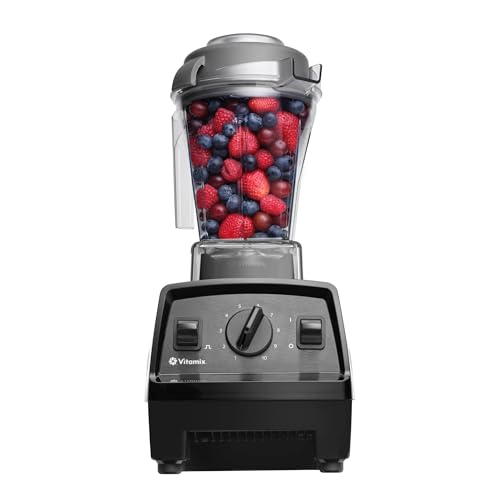
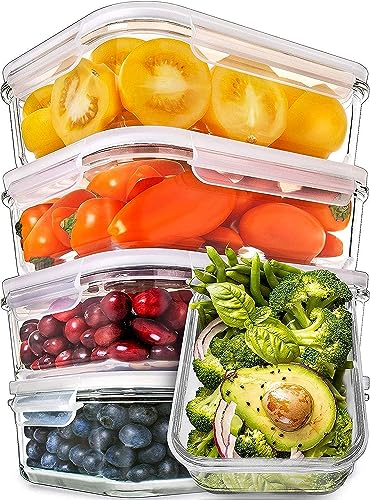
- Stock up on quality kitchen tools (blender, meal prep containers) to make cooking easier
- Share recipes with family and involve kids in cooking for lifelong healthy habits