Skip to content
Health Secrets
← All Tools

Inflammation Risk Score

Assess your chronic inflammation risk based on 10 evidence-based lifestyle and dietary factors.

1. How often do you eat processed food / fast food?

2. How much added sugar do you consume daily?

3. Do you eat fatty fish or take omega-3 supplements?

4. How is your sleep quality (average hours)?

5. How often do you exercise moderately?

6. How would you rate your chronic stress level?

7. How many alcoholic drinks per week?

8. Do you carry excess weight, especially around the midsection?

9. How many servings of vegetables do you eat daily?

10. Do you experience joint pain, brain fog, fatigue, or skin issues?

Understanding Chronic Inflammation

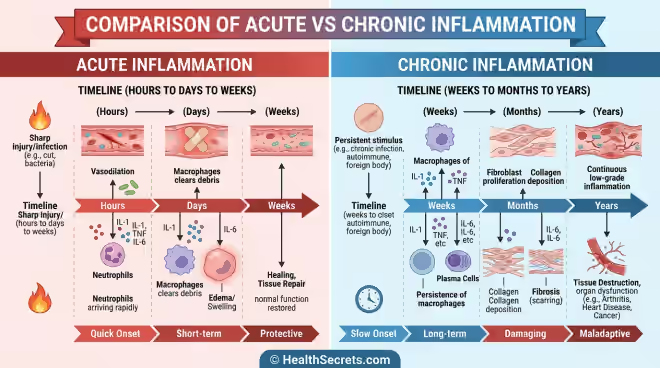
Chronic low-grade inflammation is now recognized as a root driver of virtually every major disease of aging — cardiovascular disease, type 2 diabetes, Alzheimer's, cancer, and autoimmune conditions. Unlike acute inflammation (which heals injuries), chronic inflammation smolders silently for years, driven by diet, stress, poor sleep, excess body fat, and environmental toxins. The good news: it is measurable (via CRP, IL-6, TNF-alpha) and highly responsive to lifestyle changes.

Key Facts

  • C-reactive protein (CRP) above 3 mg/L indicates high cardiovascular and disease risk
  • The Mediterranean diet can reduce CRP levels by 20-40% within 6 weeks
  • Visceral fat is an active endocrine organ that produces inflammatory cytokines
  • Omega-3 fatty acids (EPA/DHA) directly inhibit the NF-κB inflammatory pathway
  • Just one night of poor sleep (<6 hours) increases inflammatory markers by 25-40%
  • Regular moderate exercise reduces baseline inflammation by 20-60% over 3-6 months

The NF-κB Pathway: Master Switch of Inflammation

Nuclear Factor kappa-B (NF-κB) is a transcription factor that, when chronically activated, switches on genes for inflammatory cytokines (IL-6, TNF-alpha, IL-1β), adhesion molecules, and enzymes like COX-2. Triggers include oxidized LDL, excess glucose, saturated fats, stress hormones, and bacterial endotoxins (from a leaky gut). Anti-inflammatory compounds work by inhibiting this pathway: curcumin blocks IκB kinase, EPA/DHA activate PPARγ (which opposes NF-κB), and sulforaphane from broccoli activates Nrf2 (the body's antioxidant defense system). This is why diet and lifestyle changes can produce measurable reductions in inflammatory markers within weeks.
Frequently Asked Questions

What is a normal CRP level? +

Below 1 mg/L is optimal (low cardiovascular risk). 1-3 mg/L is moderate risk. Above 3 mg/L is high risk and indicates active chronic inflammation that should be addressed through lifestyle changes and potentially medical evaluation.

Which foods cause the most inflammation? +

The top inflammatory foods are: refined sugar, trans fats, processed seed oils (when oxidized), excessive alcohol, processed meats (nitrates), and refined carbohydrates. These activate NF-κB directly or indirectly through gut permeability, blood sugar spikes, and oxidative stress.

Can supplements reduce inflammation? +

Yes. The strongest evidence exists for: omega-3 fish oil (2-3g EPA+DHA daily), curcumin with piperine (500-1000mg), magnesium (200-400mg), vitamin D (2000-5000 IU), and sulforaphane from broccoli sprouts. These show 15-40% CRP reduction in clinical trials.

How quickly can I lower my inflammation? +

Diet changes show measurable CRP reduction within 2-4 weeks. Adding exercise shows benefits within 4-6 weeks. A comprehensive approach (anti-inflammatory diet + exercise + sleep optimization + stress management) can reduce CRP by 50%+ within 8-12 weeks.

Recommended Reading

Reduce Inflammation Naturally: Complete Anti-Inflammatory Guide

Reduce Inflammation Naturally: Complete Anti-Inflammatory Guide

Chronic inflammation is a silent driver of heart disease, diabetes, cancer, and autoimmune conditions — but evidence-based dietary changes, targeted supplements like omega-3s and curcumin, and lifestyle modifications can measurably reduce inflammatory markers within weeks.

read article

CBD for Inflammation and Pain: Cannabidiol Guide

CBD for Inflammation and Pain: Cannabidiol Guide

Cannabidiol (CBD) is a non-psychoactive compound from hemp with promising anti-inflammatory and pain-relieving properties. This evidence-based supplement guide covers CBD mechanisms, clinical research, dosing, full-spectrum vs. isolate, quality testing, legal status, drug interactions, and safety.

read article

Natural Pain Relief: 15 Alternatives to NSAIDs

Natural Pain Relief: 15 Alternatives to NSAIDs

Natural pain relief alternatives like turmeric, ginger, boswellia, and omega-3 fatty acids can be as effective as NSAIDs for chronic pain—without the serious gastrointestinal, kidney, and cardiovascular risks. This evidence-based guide covers 15 proven natural painkillers, how to use them, and when NSAIDs are still your best option.

read article

What Causes Inflammation in the Body?

What Causes Inflammation in the Body?

Chronic inflammation is caused by diet (refined sugar, seed oils, processed foods), chronic stress, poor sleep, gut dysbiosis, sedentary lifestyle, environmental toxins, excess visceral fat, smoking, and excessive alcohol. Unlike acute inflammation that heals injuries, chronic inflammation silently drives heart disease, diabetes, cancer, and autoimmune conditions.

read article

Anti-Inflammatory Diet: Complete Food Guide

Anti-Inflammatory Diet: Complete Food Guide

An anti-inflammatory diet built around whole foods, omega-3-rich fish, colorful fruits and vegetables, and healthy fats can significantly reduce chronic inflammation markers like CRP and IL-6. This step-by-step guide shows you exactly how to transition to an evidence-based anti-inflammatory eating pattern for lasting results.

read article

Capsaicin for Pain: Hot Pepper Compound Guide

Capsaicin for Pain: Hot Pepper Compound Guide

Capsaicin — the compound that makes chili peppers burn — is one of nature's most effective topical pain relievers. By depleting substance P from nerve endings, capsaicin offers clinically proven relief for osteoarthritis, neuropathic pain, and chronic musculoskeletal conditions without the systemic side effects of oral painkillers.

read article

Stay Ahead of Health Science

Get evidence-based health insights, calculator updates, and weekly longevity guides delivered to your inbox.

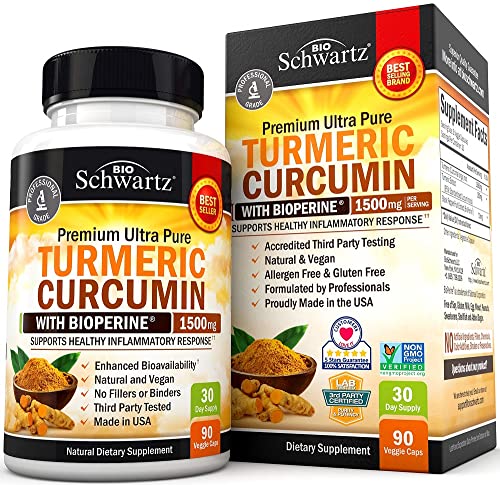
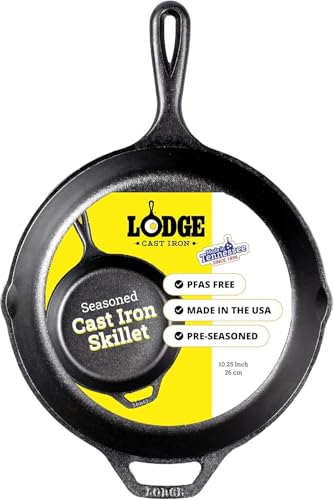
Anti-Inflammatory Products

Reduce chronic inflammation with evidence-backed supplements, cookware, and tools.

As an Amazon Associate, Health Secrets earns from qualifying purchases. Product links open on Amazon, where current pricing and availability are displayed. We only feature products discussed in our editorial guides.